
Learn / Phase 10 — Interior Finishes
Phase 10 · Interior FinishesWhy You Should Never Pick Paint Before You Have Walls
Light, sheen, scale, and undertones — why store swatches lie and the rule we make every client follow.
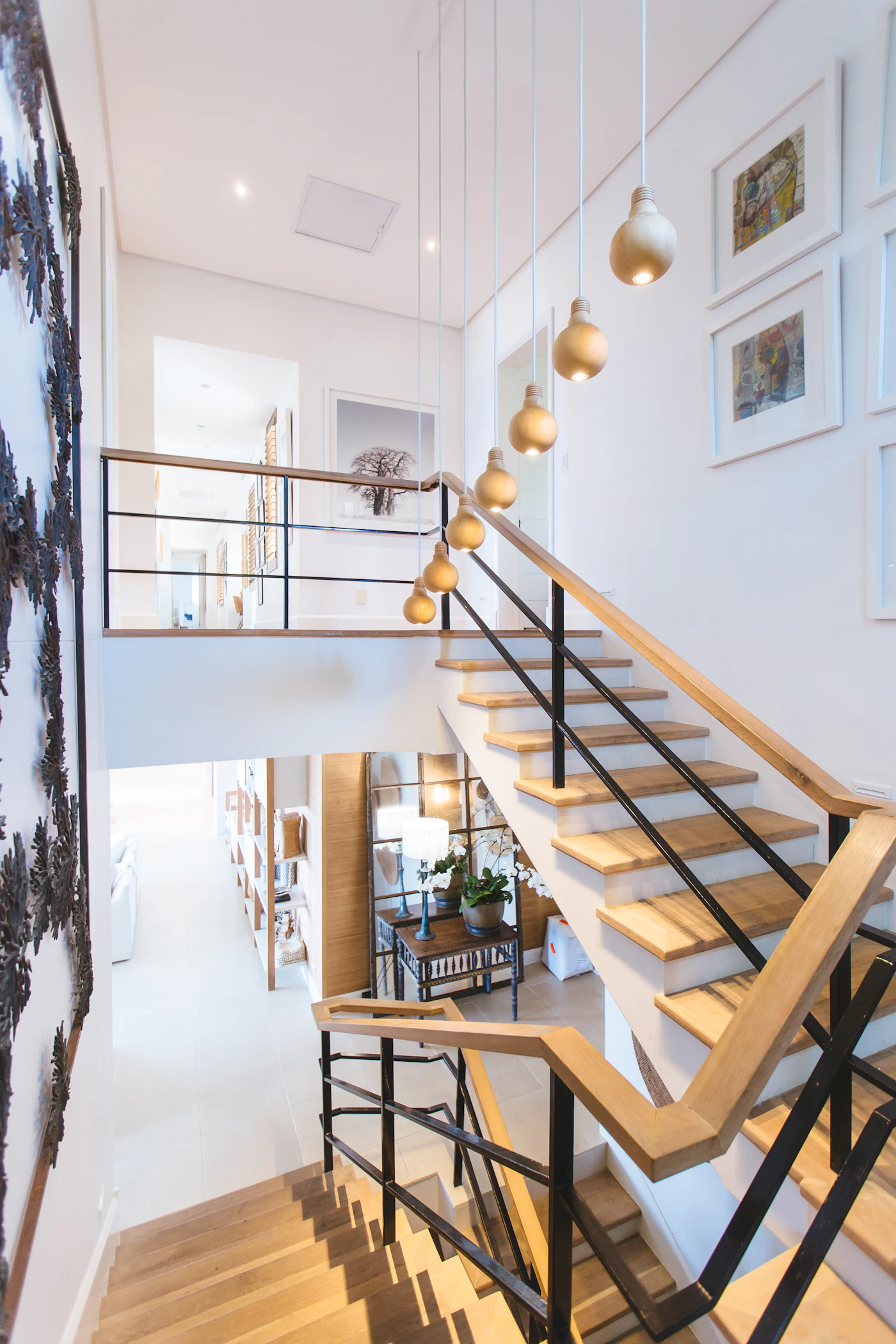
The single most-reliable failure mode in custom home interior selections: paint colors picked from 2-inch chips at a Sherwin-Williams store, six months before the actual walls exist. Those tiny chips don't look like the same color when they're rolled across 20 feet of drywall under your specific lighting at your specific time of day. Don't commit to paint until you can see it on the actual walls. We'll explain why.
Why chips lie
A 2x3-inch paint chip from a fan deck looks dramatically different from the same paint on a wall, for four compounding reasons:
- Scale: small chips of color don't have the visual weight of an entire wall. A "light gray" chip can read as "medium gray" when it covers 200 square feet.
- Light: showrooms use fluorescent or cool LED lighting that flatters cool colors. Your home has different light — warmer LEDs, natural daylight at various angles, lamp light at night.
- Adjacent colors: the chip you're looking at is surrounded by hundreds of other paint chips. Your wall will be surrounded by trim, ceiling, flooring, cabinetry, art, and furniture — all of which shift the perception.
- Undertones: all paints have hidden undertones (the secondary colors mixed in). On a small chip, the undertone is suppressed. On a full wall, it dominates. A "gray" can read as blue, purple, green, or yellow depending on its undertone and the surrounding palette.
The paint sample protocol
On every Angel project, we follow the same paint sample protocol:
- Order 8oz sample pots of every color under consideration — usually 4–8 finalists
- Paint 2x2 foot test areas on multiple walls in each room (one on a north wall, one on a south wall, one in a corner)
- Use a real roller, two coats minimum — brush strokes from a sample brush don't show the true color
- Live with the samples for 3–7 days minimum, viewing them at every time of day and under every lighting condition
- View samples with trim and flooring samples adjacent — the color always shifts when surrounded by the actual finishes that will be in the room
- View samples with the lights you'll actually use, not the construction lights
The light problem in detail
- North-facing rooms: get cool, indirect light. Warm whites read warmer; cool whites can look icy and unwelcoming. Bias toward warm-leaning whites.
- South-facing rooms: get warm, direct light most of the day. Cool whites can be calming; warm whites can read overly yellow. More flexibility in color choice.
- East-facing rooms: get warm morning light, cool evening light. Test paint at both extremes.
- West-facing rooms: get hot, orange afternoon light. Most colors shift toward yellow/orange at this time. Cool grays handle this best.
- Interior rooms (no windows): entirely artificial light. Spec'd LED color temperature determines color appearance. Match samples to the actual LED temperature.
Undertones — the silent killer
Every "neutral" paint color has an undertone. The undertone may be subtle on a chip but dominates on a wall. Common undertones to watch for:
- White paints: can have pink, yellow, green, blue, or warm beige undertones
- Gray paints: can have blue, green, purple, or warm beige undertones
- Beige paints: can have pink, yellow, or gray undertones
- Black paints: can have blue, brown, or true black undertones
The undertone reveals itself relative to adjacent colors. A "warm gray" that looks fine on a chip can read distinctly purple when sitting next to your white trim or your tan flooring. The only way to catch this is to test paint on the wall with the actual adjacent finishes in place.
"Greige" (gray + beige) has been popular for a decade. It also has the strongest undertone shifts of any color family — the same greige can read warm beige in one light, cool gray in another, and faintly purple in a third. If you go greige, sample, sample, sample.
Free Download
The Ultimate Home Building Checklist
300+ items across 12 phases. The internal field document we walk every Angel home through. Yours, free.
Sheen — the spec that gets ignored
Paint sheen affects how the color reads and how the surface performs:
- Flat / matte: no shine. Best for ceilings and low-traffic adult bedrooms. Hides imperfections best. Hardest to clean.
- Eggshell: very slight sheen. The volume residential standard for walls. Easy to clean, hides most imperfections.
- Satin: moderate sheen. Often used in hallways, kid rooms, baths — areas that need scrubbing. Shows wall imperfections more.
- Semi-gloss: high sheen. Trim, doors, cabinetry. Durable, washable, shows every brush mark.
- High-gloss: mirror finish. Specialty applications — high-end cabinetry, accent walls, doors meant to be statements.
Sheen choices per room:
- Ceilings: flat (always, unless making a statement)
- Adult bedrooms, living rooms, dining rooms: matte or eggshell
- Kitchens, baths, mudrooms, hallways: eggshell or satin
- Trim, doors, windows: semi-gloss
- Cabinets: semi-gloss or high-gloss
Premium paints worth the upcharge
- Sherwin-Williams Emerald: excellent washability, premium pigments. Default for residential.
- Benjamin Moore Aura: arguably the best wall paint on the market. Pricey but transformative.
- Farrow & Ball: deep, complex colors with painterly quality. Expensive, less durable, but unmatched aesthetic in the right application.
- Portola Paints: California-based, beautiful Mediterranean palette
- Backdrop, Clare, Magnolia: direct-to-consumer brands with curated palettes
The cardinal rules
- Never commit to paint colors before drywall is up
- Always sample on the actual walls with actual surrounding finishes
- View samples at multiple times of day
- Match paint sheen to the application
- Spec premium paint (Emerald, Aura, or comparable) — the labor cost dominates the material cost, so don't save $200 on a $4,000 paint job
Paint is one of the lowest-cost line items in a custom home but it determines the perceived quality of every interior space. Don't rush the selection. Test in the real environment. Then commit.
— Angel Flores, Founder & Principal Builder. Thirty years designing and building distinguished custom homes across Dallas–Fort Worth and North Texas. Get the free Ultimate Home Building Checklist for the field-tested list we walk every Angel home through.